
 Outstanding Customer Reviews
A car’s air conditioning that doesn’t work properly on a hot day is a nightmare. If your air conditioning blows hot air or the cooling performance has gone down, you have a problem. Here are some common car air conditioning problems to help you understand what you are up against.
Refrigerant Gas Leak
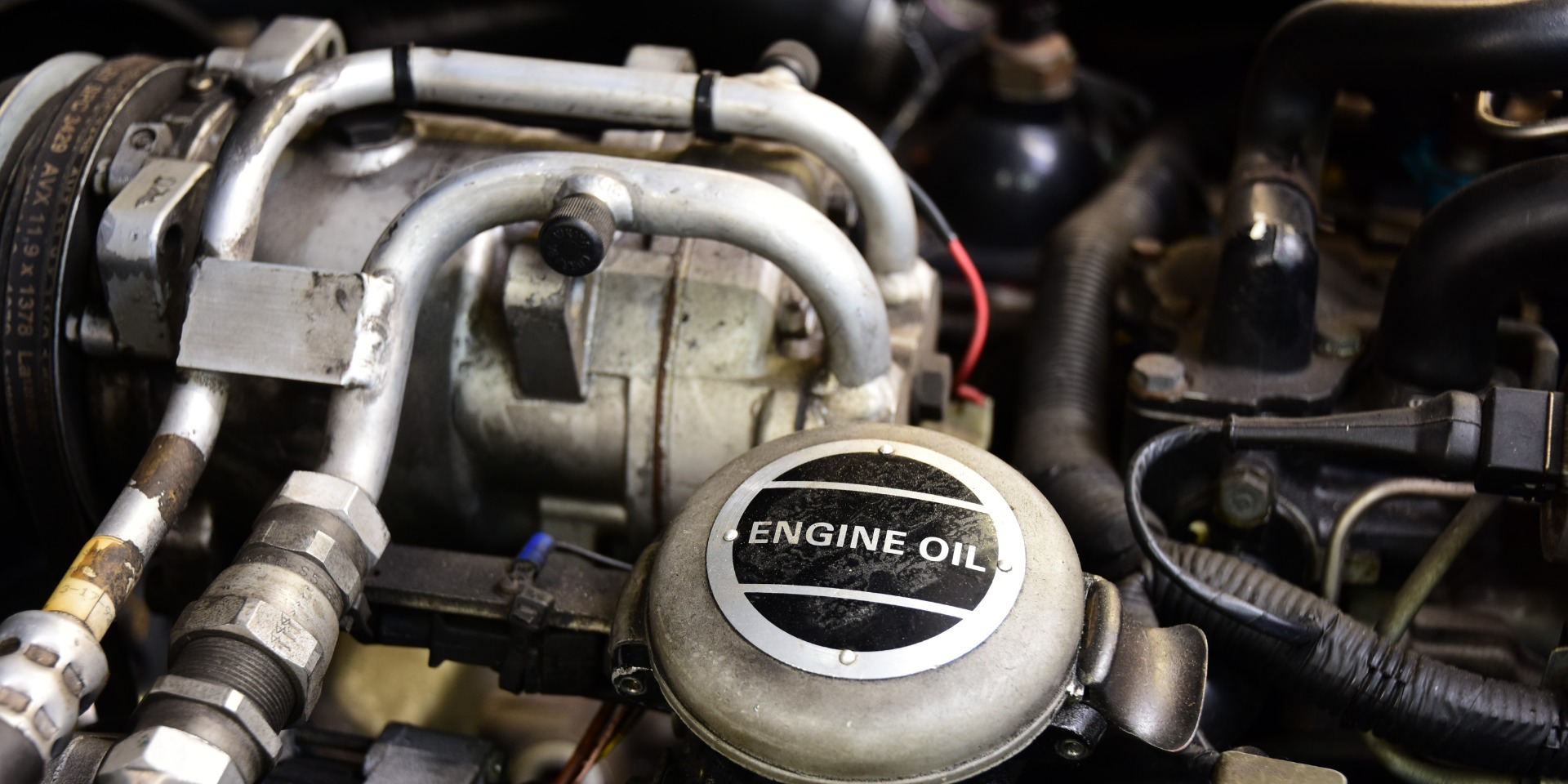
For optimal cooling, the air conditioning system must have refrigerant at the right pressure. If the refrigerant has leaked, the unit will not cool, or the efficiency will decrease. As cars get older, leaks can develop in the pipes and hoses of the air-conditioning system, especially at the joints.
Your workshop will be able to measure the refrigerant pressure and ascertain whether there is a leak. These are sometimes difficult to find because the holes can be very tiny. To find the leaks, the refrigerant is recharged with a dye added. Small leaks may show up only after using the air conditioning for a while. A second garage visit may become necessary.
Some components like the evaporator are under the dashboard and leaks here are harder to find and fix. The dashboard panel may need to be removed to fix the issue. System performance should be restored once the leaks are closed, and the refrigerant is refilled to the right pressure
Condenser Problems
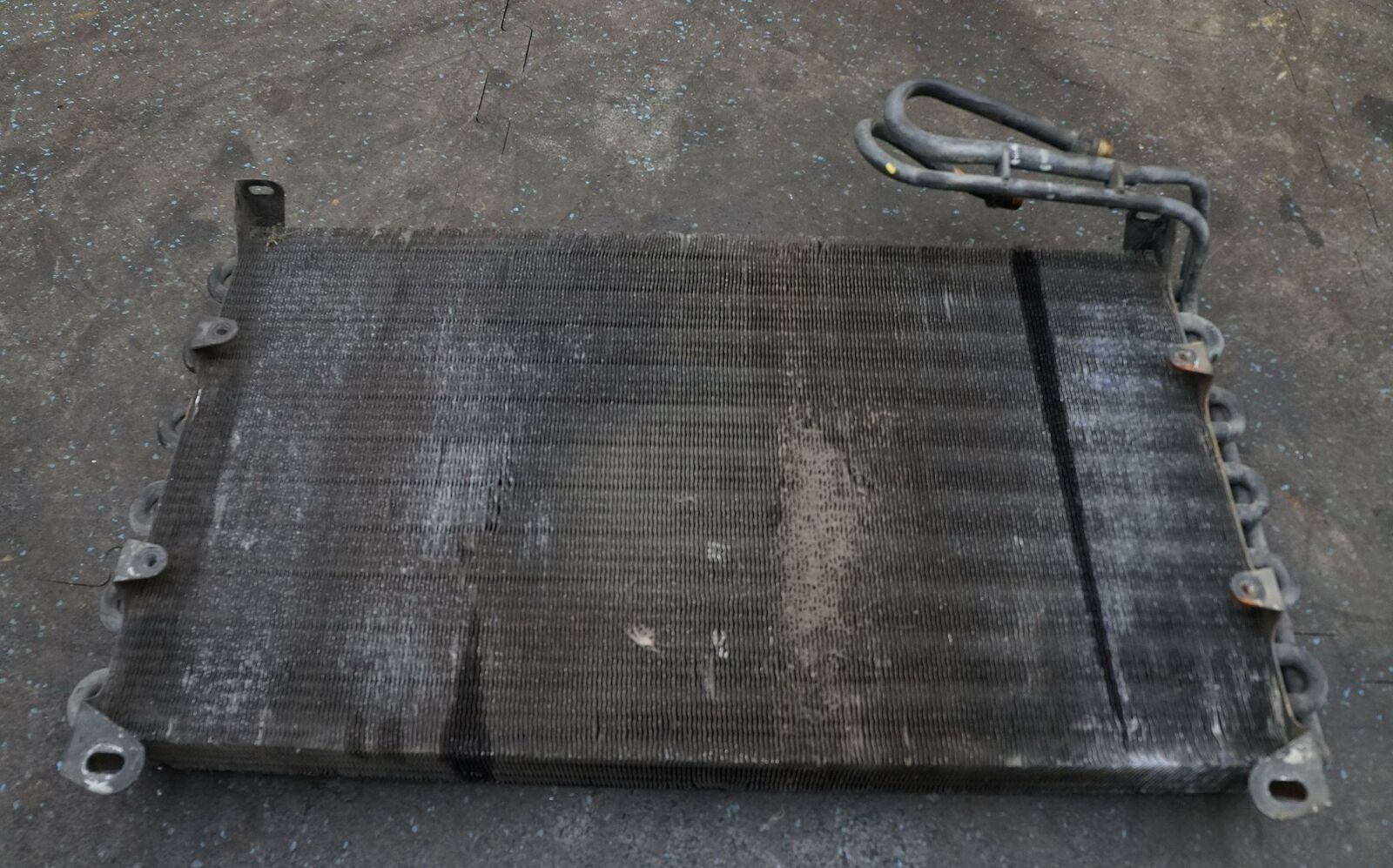
The refrigerant gas is compressed to a high pressure by the compressor from where it flows to the condenser which is located behind the front grill of your car. The condenser is a heat exchanger, and it cools the hot refrigerant gas with the help of the air flowing through the grill. Sometimes, road debris or dirt can block airflow to the condenser fins and prevent heat exchange. Cooling will be impaired if the air conditioning operates with overheated refrigerant. This is one of the reasons for warm air flowing through the vents.
If something is blocking the air flowing to the condenser, you may be able to check and remove it. Condensers can also get damaged due to road debris flying in through the grill. A damaged condenser will need to be replaced.
Cooling Fan Problems
The cooling fan is responsible for maintaining the airflow through the condenser. If the fan does not operate, the refrigerant will not cool. Electrical problems or blown fuses are the common causes of cooling fan failure. Like condensers, cooling fans can also be damaged by road debris. If the fins are broken or cracked, you may need a new fan.
Compressor Problems
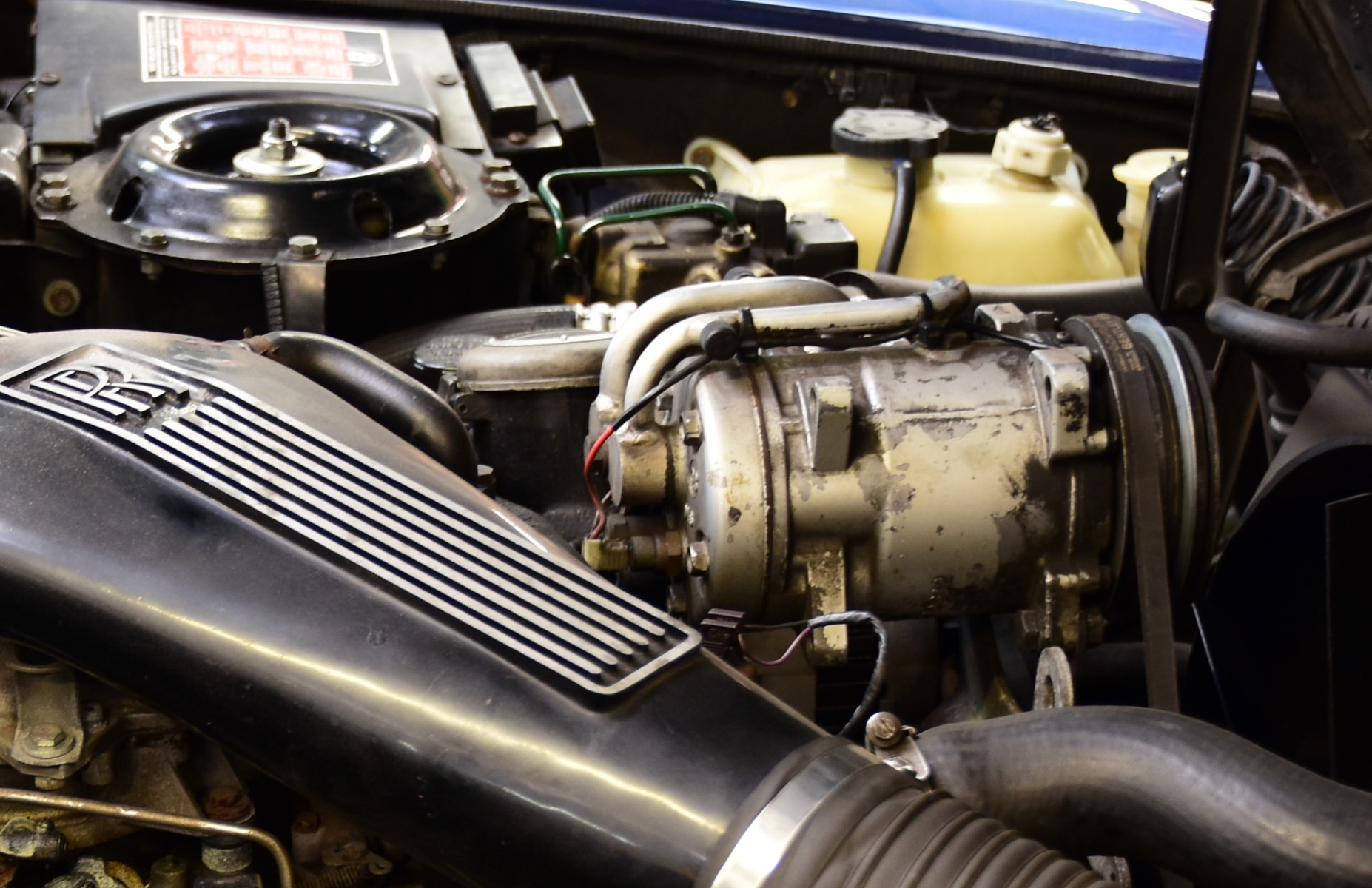
A faulty compressor will not be able to circulate refrigerant at the right pressure and your air conditioning will not function. Keeping the air conditioning off for extended periods can cause compressor problems in some cases. It’s better to operate your air conditioning at least once a month irrespective of the season.
Electrical Problems
Electrical problems can cause air conditioning malfunction. This is not uncommon in modern cars, which have complex electronic systems. Problems can also be caused due to damaged or broken wiring, short circuits, blown fuses, or faulty sensors.
Dirt And Mould Growth
Dust and dirt can accumulate in the ducts, evaporator, and air vents. The warm and moist conditions within the air-conditioning system are ideal for mould growth. Getting the air conditioning serviced every two years will help keep this in check. If you get a musty odour when you start the air conditioning, it’s time to get it cleaned. Ignoring this can cause serious health problems.
Air Conditioning Range
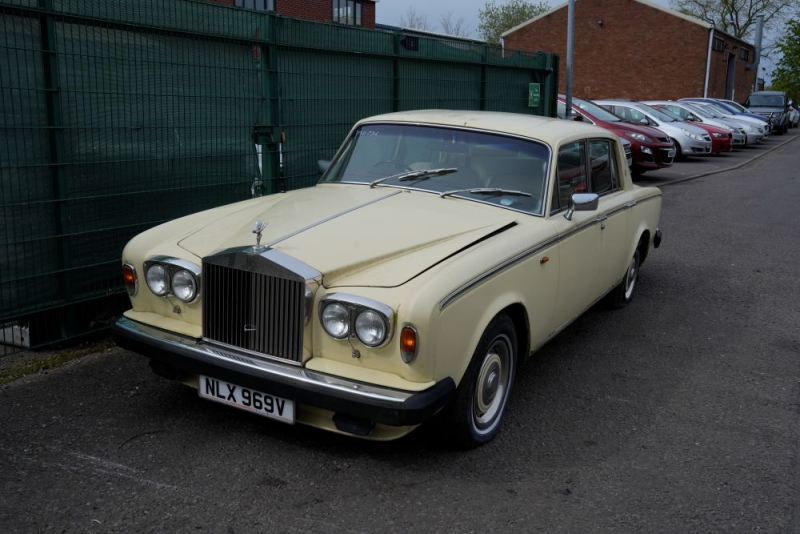
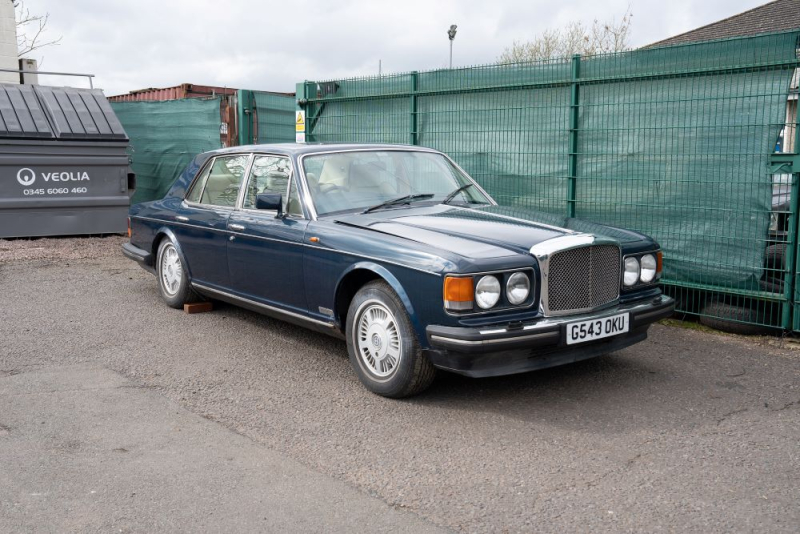
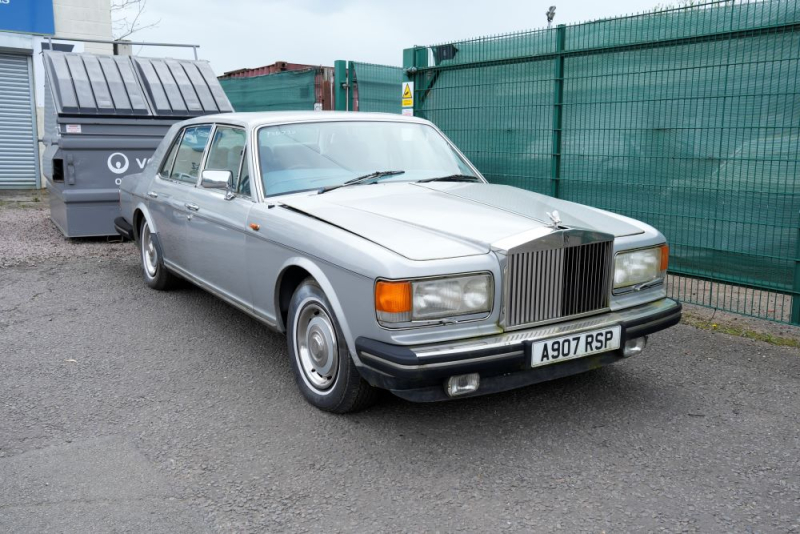
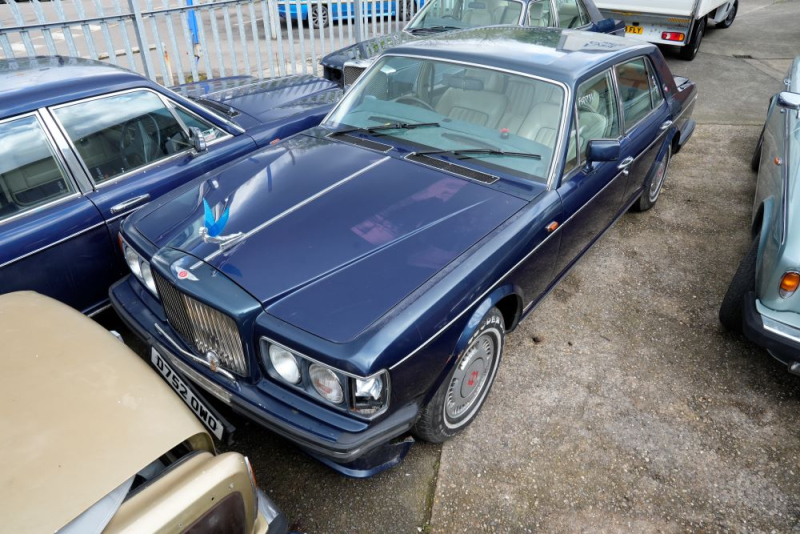
Flying Spares carry a full range of New, Recycled and Reconditioned Air Conditioning products for all Rolls-Royce and Bentley models. Click here (https://www.flyingspares.com/shop.html) Select you vehicle model and then select Air Conditioning to access the range.
4 Jul 2023